Sudden cardiac arrest stops the heart without warning, cutting off blood flow to the brain and vital organs within seconds. Understanding what causes it, and how to respond, can turn a bystander into a lifesaver. This guide explains the electrical and structural reasons behind arrest, who is at risk, and why accessible AEDs and rapid action matter.
Key Takeaways
- Most sudden cardiac arrests begin with a dangerous heart rhythm such as ventricular fibrillation, not a clogged artery alone.
- Coronary artery disease, inherited electrical disorders, and cardiomyopathies are leading causes.
- Reversible problems like electrolyte imbalances, drugs, or trauma can also trigger arrest.
- Rapid CPR and early AED shocks can double or triple survival; every minute counts.
- Workplaces and communities should maintain AED programs, training, and clear response plans.
Sudden Cardiac Arrest vs Heart Attack: The Basics
Sudden cardiac arrest is an electrical collapse of the heart. The lower chambers quiver or beat chaotically, often in ventricular fibrillation or fast unstable ventricular tachycardia. The heart stops pumping, a pulse disappears, and collapse occurs within seconds. Without prompt CPR and a shock from an automated external defibrillator, brain injury begins within minutes.
What happens during SCA
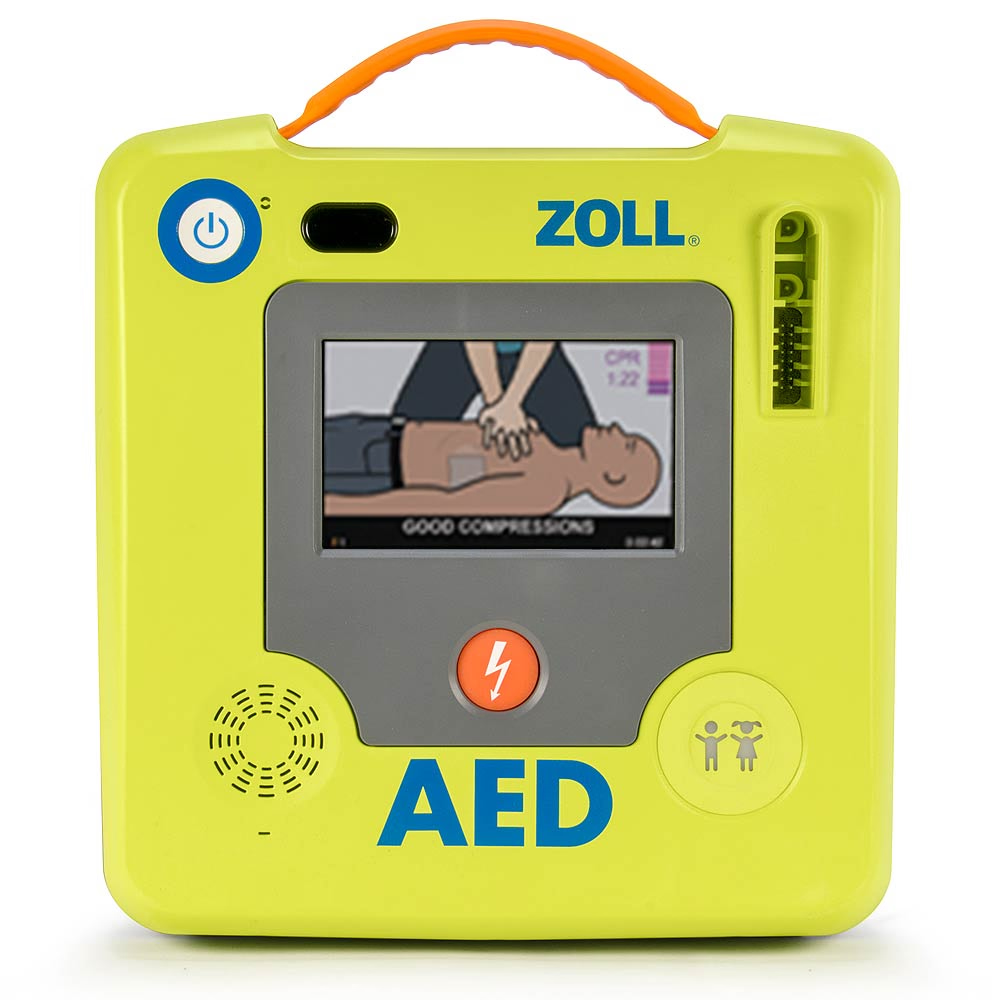
During arrest, electrical signals become disorganized. Oxygen does not reach organs, breathing may gasp briefly then stop, and the victim becomes unresponsive. Defibrillation delivers energy that can reset the rhythm, letting the natural pacemaker regain control. This is why public access to AEDs, plus trained responders, is essential.
How it differs from a heart attack
A heart attack is a circulation problem, usually a blocked coronary artery that damages muscle. People often feel chest pressure, shortness of breath, or nausea. A heart attack can lead to arrest if a lethal rhythm develops, yet many heart attacks do not cause sudden arrest. Conversely, many arrests occur without prior chest pain. The distinctions matter because treatment paths differ: heart attack needs urgent blood flow restoration, while sudden arrest needs immediate CPR and an AED shock.
- Heart attack symptoms develop over minutes to hours; sudden arrest is instantaneous collapse.
- Heart attack patients often have a pulse; sudden arrest patients do not.
- Defibrillation is the priority in sudden arrest; reperfusion is the priority in heart attack.
According to American Heart Association estimates, more than 350,000 out-of-hospital cardiac arrests occur yearly in the United States. Survival falls 7 to 10 percent with each minute without defibrillation, while CPR and timely AED use can double or triple survival.
Electrical Malfunctions and Arrhythmias Behind SCA
Many arrests begin with electrical disorders. The heart’s rhythm is governed by ion channels in muscle cells; when conduction is disrupted, dangerous rhythms can start. The most critical are ventricular fibrillation and unstable ventricular tachycardia, which cause the heart to stop pumping effectively.
Inherited electrical conditions
- Long QT syndrome: Prolonged repolarization predisposes to torsades de pointes and arrest, often triggered by exertion, stress, or certain medications.
- Brugada syndrome: Sodium channel abnormalities, often presenting during sleep or fever, raise the risk of fatal arrhythmias.
- Catecholaminergic polymorphic ventricular tachycardia: Stress or exercise triggers rapid ventricular rhythms, particularly in youth.
- Wolff-Parkinson-White pattern: An extra pathway can lead to rapid rhythms; a subset is at risk for malignant arrhythmias.
Acquired rhythm triggers
- Electrolyte abnormalities: Low potassium or magnesium destabilizes the heart’s electrical system. Rapid shifts, such as with diuretics or severe vomiting, heighten risk.
- Medications that prolong QT: Some antibiotics, antifungals, antipsychotics, and antiarrhythmics lengthen repolarization and may provoke torsades. Combining drugs or using them with electrolyte issues multiplies risk.
- Myocardial ischemia: Reduced blood flow, even without complete blockage, can initiate ventricular arrhythmias.
Warning signs of electrical vulnerability include fainting with exertion or startle, palpitations, or a family history of sudden death at a young age. An ECG, ambulatory monitor, stress test, or genetic evaluation may be appropriate when risk is suspected.
Many drug labels warn about QT prolongation. Clinicians often consult resources that catalog QT-prolonging medications and advise electrolyte monitoring. Patients should never stop or start cardiac drugs without medical guidance.
Structural Heart Disease and Scarring: Common Roots
Structural heart problems create a substrate where lethal rhythms can ignite. In adults, coronary artery disease is the leading underlying cause. Scar tissue from a prior heart attack disrupts normal conduction, forming circuits that permit reentry tachycardia. Reduced pumping function, or heart failure, further increases arrhythmic risk.
Key structural causes
- Coronary artery disease and prior infarction: Scar sets the stage for ventricular tachycardia. Ongoing ischemia can also trigger fibrillation.
- Hypertrophic cardiomyopathy: Excessive wall thickening, often inherited, raises the risk of ventricular arrhythmias, particularly in young athletes.
- Dilated cardiomyopathy: A weakened, enlarged heart develops electrical instability, whether from genetics, alcohol, toxins, or prior infections.
- Arrhythmogenic right ventricular cardiomyopathy: Fatty or fibrous replacement in the right ventricle predisposes to dangerous rhythms, often during exertion.
- Myocarditis: Viral or immune-related inflammation can cause arrhythmias even after symptoms of the infection resolve.
- Congenital coronary anomalies and valve disease: Abnormal arteries or severe valve problems create ischemia or pressure loads that provoke arrhythmias.
Evaluation may include echocardiography, cardiac MRI to detect scar or inflammation, and coronary imaging. Risk stratification considers ejection fraction, scar burden, family history, syncope, and documented ventricular arrhythmias. In select high-risk individuals, a cardioverter-defibrillator is implanted to detect and treat ventricular tachyarrhythmias before they become fatal.
In adults, a substantial share of sudden cardiac deaths are linked to coronary artery disease. Professional guidelines support implantable defibrillators for secondary prevention after life-threatening ventricular arrhythmias, and for primary prevention in selected patients with severe systolic dysfunction.
Reversible and Non-Cardiac Triggers You Should Know
Not all sudden arrests stem from chronic heart disease. Some arise from correctable problems or external events. Learning these triggers helps responders look beyond the heart and address the root cause.
The ACLS Hs and Ts
- Hypoxia: Airway obstruction, asthma, drowning, or overdose can starve the heart and brain of oxygen.
- Hypovolemia: Severe bleeding or dehydration reduces preload, impairing perfusion.
- Hydrogen ion imbalance or acidosis: Severe metabolic disturbances suppress cardiac function.
- Hypo or hyperkalemia: Potassium abnormalities disrupt repolarization and rhythm.
- Hypothermia: Cold impairs conduction; rewarming is essential.
- Tension pneumothorax: Air trapped under pressure compresses the heart; needle decompression is lifesaving.
- Cardiac tamponade: Fluid around the heart prevents filling; pericardiocentesis may be required.
- Toxins: Poisons, alcohol, stimulants, or some medications cause arrhythmias or respiratory depression.
- Thrombosis coronary or pulmonary: Occlusions provoke ischemia or massive pulmonary embolism.
- Trauma: Blunt or penetrating injuries can induce arrest through multiple mechanisms.
Special situations
- Commotio cordis: A chest blow at a vulnerable point in the cardiac cycle can trigger ventricular fibrillation. Quick AED use has markedly improved survival in youth sports.
- Electrical shock: Household or industrial currents can precipitate arrhythmias.
- Opioid overdose: Respiratory arrest leads to hypoxia and then cardiac arrest; naloxone plus CPR can be lifesaving.
For reversible causes, definitive treatment should follow resuscitation. Examples include fluids and hemorrhage control for hypovolemia, antidotes for toxins, or decompression for tension pneumothorax. Community responders can make a powerful difference with prompt CPR, AED use, and early activation of emergency services, while professionals address underlying causes.
Advanced life support training highlights the Hs and Ts to ensure reversible causes are considered during resuscitation. Early identification and correction, paired with defibrillation when indicated, improves outcomes.
Risk Factors, Red Flags, and Sensible Screening
Sudden cardiac arrest often strikes without warning, yet many individuals carry identifiable risk. Understanding who is vulnerable supports targeted screening and prevention, rather than one-size-fits-all testing.
Who is at higher risk
- Coronary risk factors: Smoking, diabetes, high blood pressure, high LDL, and kidney disease increase the likelihood of coronary disease and arrhythmias.
- Heart failure or low ejection fraction: Weakened pump function raises the risk of ventricular tachyarrhythmias.
- Family history of sudden death: Unexplained deaths before age 50 suggest heritable arrhythmias or cardiomyopathies.
- Syncope with exertion or startle: A red flag for electrical or structural disorders.
- Athletes with chest pain, palpitations, or collapse: May harbor hypertrophic cardiomyopathy, anomalous coronaries, or arrhythmogenic disorders.
- Sleep apnea: Intermittent hypoxia and surges in sympathetic tone destabilize the heart.
Warning signs that merit evaluation
- Fainting during exercise or strong emotions
- Unexplained seizures or near-fainting episodes
- Racing heart, skipped beats, or chest pressure with exertion
- Shortness of breath out of proportion to activity
Thoughtful screening
A careful history and exam remain the first steps. Electrocardiograms can uncover long QT patterns, pre-excitation, or Brugada features. Imaging with echocardiogram or cardiac MRI evaluates heart structure. Exercise tests and ambulatory monitors assess exertional rhythms or intermittent palpitations. For suspected inherited disorders, genetic testing and family screening may be indicated. Coronary calcium scoring and lipid profiling help stratify atherosclerotic risk in middle age.
Preventive groups caution against universal ECG screening in low-risk, asymptomatic adults. Professional societies endorse targeted evaluation for concerning symptoms or family history, and guideline-directed therapy for diagnosed conditions.
Prevention Strategies, AED Access, and Rapid Response
Preventing sudden cardiac arrest blends long-term risk reduction with readiness to respond. Lifestyle, medications, devices, and community preparedness all play a role.
Medical and lifestyle prevention
- Manage coronary risk: Control blood pressure, cholesterol, diabetes, and avoid tobacco. Aim for regular aerobic activity, a heart-healthy diet, and adequate sleep.
- Targeted therapies: Beta blockers for long QT syndrome, avoidance of QT-prolonging drugs, fever control in Brugada, and ablation for certain arrhythmias.
- Implantable cardioverter-defibrillators: For survivors of arrest or selected high-risk patients, ICDs detect and terminate life-threatening rhythms.
- Family screening: Relatives of patients with heritable conditions should receive counseling and evaluation.
Community and workplace readiness
- Chain of Survival: Early recognition, call for help, high-quality CPR, rapid defibrillation, and advanced care. Train teams to act within seconds.
- AED program essentials: Strategic placement where people gather, visible signage, responder training, practice drills, and a documented response plan.
- Maintenance and compliance: Inspect AEDs monthly, confirm readiness indicators, and track electrode pad and battery expiration dates. Most pads last 2 to 5 years; many batteries last 2 to 7 years, depending on model and use.
- Post-event review: Download AED event data if available, restock supplies, and debrief responders to improve future performance.
Public access defibrillation programs have transformed outcomes in airports, schools, factories, and fitness centers. Time to first shock strongly predicts survival, so placement and training that enable use within 3 minutes can be lifesaving.
Many states provide Good Samaritan protections for lay AED use and encourage or require AED registration and maintenance. Federal rules require AEDs on most large passenger aircraft. OSHA encourages AED availability in workplaces with longer EMS response times. Local requirements vary, so program coordinators should review state and municipal PAD regulations.
Practical tips for organizations include mapping AEDs to high-traffic areas, designating responsible staff for checks, and integrating AED locations into emergency communications. For homes with high-risk individuals, consider a household AED and ensure family members know CPR and how to use the device.
Final Thoughts
Sudden cardiac arrest is most often an electrical failure of the heart, frequently rooted in coronary disease or inherited and acquired rhythm problems. Targeted prevention, informed screening, and rapid action with CPR and an AED can shift outcomes dramatically.
Equip your space to save a life. Explore MyAED’s selection of AEDs, pads, batteries, and cabinets, or contact our team for help building a compliant, ready-to-respond program for your home, school, or workplace.