



Many teams treat a first aid kit as a one time purchase, then discover missing gloves, empty bandage sleeves, or expired meds the day they need them most. Refill kits turn a box of supplies into a sustainable system. The key is choosing the right standard, stocking for your real risks, and creating a rotation plan that keeps the kit ready without waste.
The Bigger Picture
Refill kits do more than top off a few bandages. They determine whether your people can respond effectively to the most likely injuries in your environment. An office needs adhesive bandages, antiseptic, and burns care at a minimum. A shop floor with rotating equipment and sharp edges needs more robust wound care, splinting, and possibly bleeding control. A mobile crew working outdoors needs supplies that tolerate heat, vibration, and dust, plus extra duplicates to account for longer resupply intervals.
Good refills align to recognized benchmarks so that what is on your shelf matches what regulators and insurers expect. In the United States, that baseline is ANSI/ISEA Z308.1 for workplace first aid kits. ANSI categories help you decide between Class A, which covers common minor injuries, and Class B, which addresses higher risk environments with more serious injuries. From there, you can layer in trauma focused items like tourniquets and hemostatic gauze if your hazard assessment supports it and your team is trained.
The other half of the picture is maintainability. Kits that are easy to audit get restocked on time. Module based refills with clearly labeled pouches make inspection straightforward. Loose items work too if you maintain a simple par level checklist. The right choice balances compliance, risk, and the practical reality of who is checking the kit, how often it is used, and how harsh the environment is.
How to Choose the Right Refill Kit
Start with a quick hazard assessment, then match to a standard and choose a refill strategy that your team can sustain. Use these four criteria to select confidently.
Match contents to injury risks
List your top five credible injuries by location or job role. Offices see paper cuts, minor lacerations, and burns from appliances, so Class A may be sufficient. Shops add deeper cuts, eye injuries, and crush risks, so Class B or Class A plus trauma add ons is typical. Field crews need blisters and bites care, irrigation, and duplicates for distance from help. If high energy hazards exist, include bleeding control tools and splinting. Align choices with training and medical direction where applicable.
Choose the right standard and type
ANSI/ISEA Z308.1 defines Class A and Class B, plus Types I to IV based on environment and mounting. Class A covers common, smaller injuries. Class B expands quantities and adds more robust items such as a larger trauma pad and extra triangular bandages. Type I is for indoor, fixed places. Type II portable indoors. Type III portable for indoor or sheltered outdoor use. Type IV for mobile, rugged environments. Pick class and type to fit both hazards and where the kit lives.
Pick a refill method you will maintain
Module based refills bundle like items in labeled pouches, which speeds inspections and restocking. They are ideal when multiple people share responsibility. Loose item refills can reduce waste and cost if one trained person audits the kit and replaces just what is used. Either way, define par levels, set an inspection interval, and keep a simple checklist inside the lid. The best kit is the one that actually gets checked.
Consider durability and shelf life
Heat, humidity, and vibration shorten shelf life. Adhesives dry out in hot vehicles. Solutions and medications degrade faster in high heat or freezing conditions. Prefer vacuum sealed or foil packaged dressings and sterile gauze for durability. Date every item or module when placed in service, then rotate oldest stock forward. In vehicles, store supplies in a purpose built bag with dividers that protect packaging and keep high priority items accessible.
What the Standards Say
OSHA expects prompt medical attention and suitable first aid supplies when a clinic is not reasonably accessible. In practice, employers meet this duty by providing supplies aligned to ANSI/ISEA Z308.1 and by training employees in first aid. The current ANSI standard outlines minimum required components and quantities for Class A and Class B kits and describes Types I through IV based on mounting and environmental considerations. Meeting or exceeding ANSI Z308.1 makes audits simpler and supports a defensible safety program.
Beyond ANSI, clinical guidance matters. The American Heart Association first aid guidelines support direct pressure as the primary method for bleeding control and recognize the role of commercial tourniquets when bleeding is life threatening and cannot be controlled by pressure. For higher risk settings and public safety applications, principles from TCCC emphasize rapid hemorrhage control with windlass tourniquets and hemostatic gauze. If you add these items, align policies with your medical oversight and ensure users are trained and authorized.
Some authorities and industries reference additional frameworks. For example, NFPA 3000 provides guidance for integrated response to hostile events, which can drive the placement of bleeding control kits in public venues. Schools often follow state or district policies that reference Stop the Bleed programs. The bottom line is simple. Use ANSI Z308.1 as your baseline for everyday injuries, then layer in trauma components where your hazard analysis and training justify them.
Build a two tier inventory. Keep a visible ANSI compliant kit for everyday injuries and stage a separate, clearly marked trauma pouch with tourniquets, pressure dressings, and hemostatic gauze if your risks require it. Train to the gear you carry, document monthly checks, and assign a backup so inspections still happen when someone is out.
A Recommended Option
If you want a compact, field ready solution that combines a durable bag with a balanced first responder fill, consider a stocked bag that arrives organized and ready to deploy. This approach reduces setup time and helps you standardize across vehicles or stations. It also keeps critical items in predictable locations so responders can work faster under stress.
The Small First Responder Bag with Standard Fill Kit, Pink pairs a heavy duty Lightning X bag with a curated set of supplies selected by EMS professionals. Foam dividers, elastic loops, and multiple compartments support a logical layout, while the stocked contents cover everyday injuries and basic trauma care for first-in response. It is a good fit for school nurses, volunteer responders, event teams, and work crews that need a portable kit they can audit quickly and restock as modules run low.
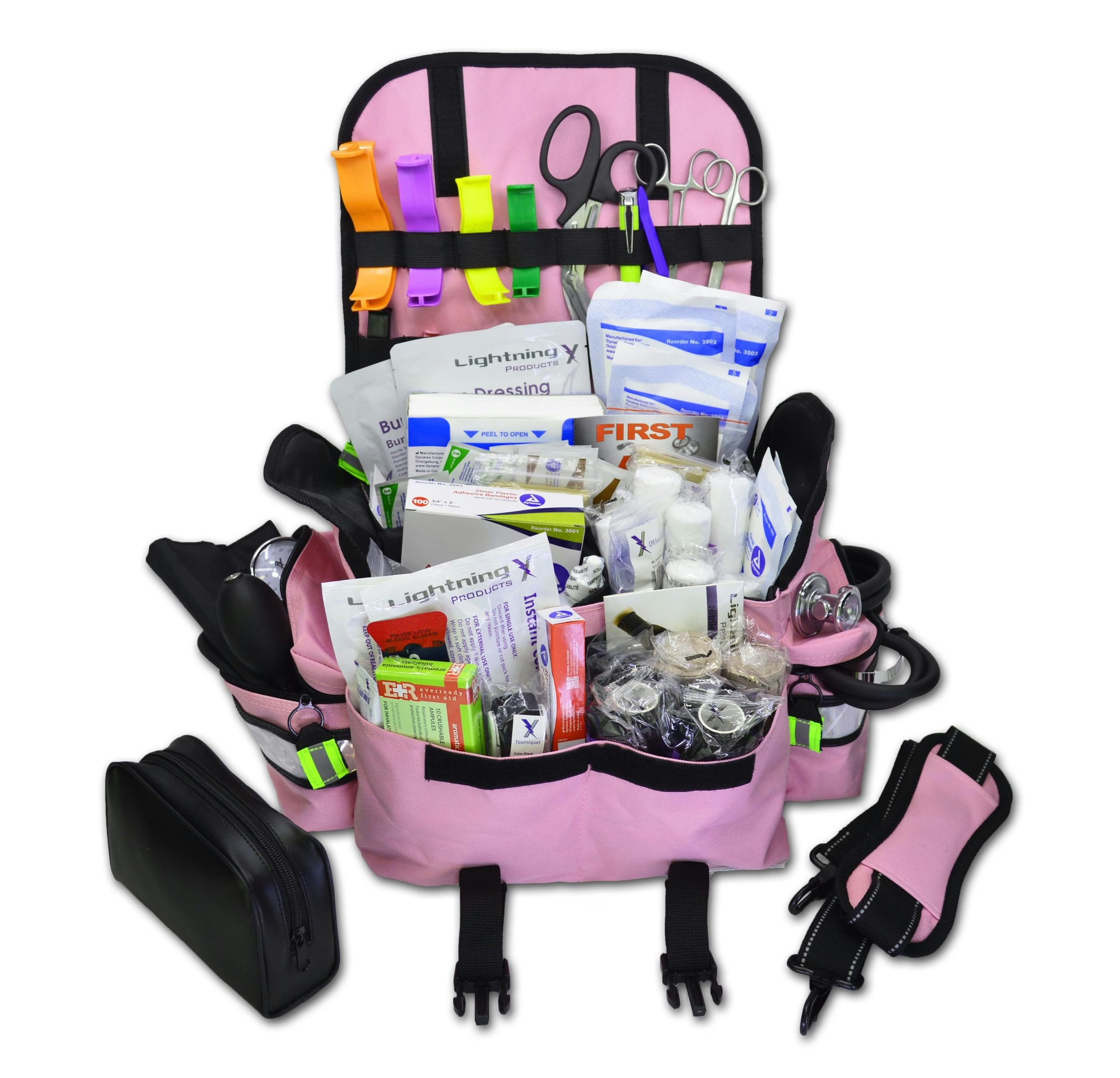
Small First Responder Bag w/ Standard Fill Kit, Pink
Compact Lightning X bag with professional fill kit. Organized layout supports fast access and straightforward inspections for small teams and mobile crews.
Mistakes to Avoid
Buying by price alone and ignoring class and type. A bargain refill that is not aligned to ANSI Z308.1 or your hazards can leave you short on critical items like trauma pads, eyewash, or burn dressings when it counts.
Skipping an inspection cadence. Adhesive bandages, antiseptic wipes, and meds expire faster in hot environments. Set a monthly check for vehicles and a quarterly check for climate controlled areas. Record it in a log kept inside the kit.
Stocking gear without training. Tourniquets, hemostatic agents, and even aspirin use should follow training and policy. If you add advanced items, update protocols, provide hands on practice, and label the pouch so unfamiliar users do not deploy the wrong tool.
Refill kits are a readiness multiplier when chosen with intent and maintained with discipline. Anchor your selection to ANSI Z308.1, tailor contents to your risks, and adopt a refilling method that your team can sustain. Whether you build from modules or start with a stocked bag, a simple inspection plan keeps supplies current so responders can focus on care rather than searching for missing items.


