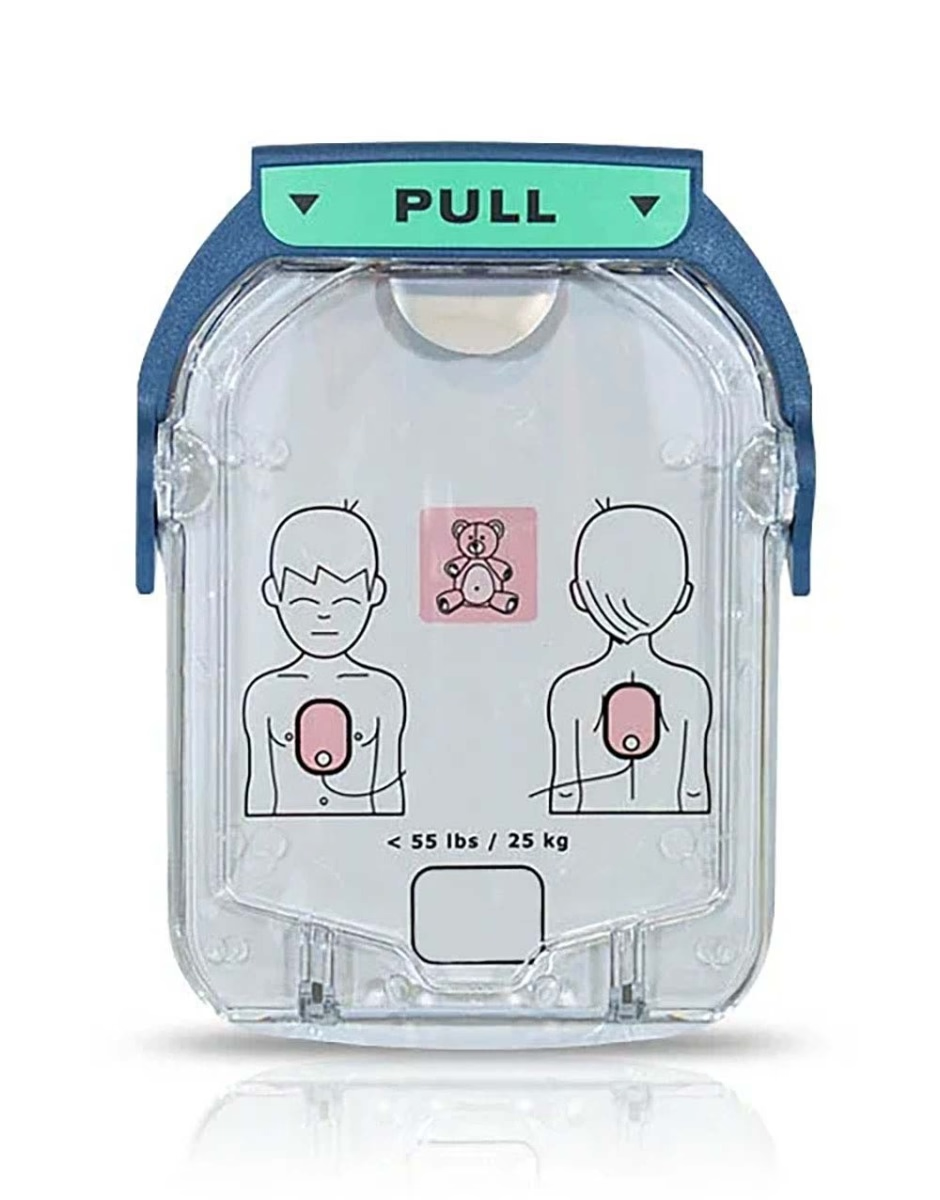
Automated external defibrillators save lives, but only when they are ready to work at a moment's notice. Two consumables, the pads and the battery, determine whether your device can analyze rhythm and deliver a lifesaving shock. Understanding when these parts expire, and what to do about it, is essential for every workplace, school, and community program.
Key Takeaways
- AED pads and batteries have fixed shelf lives set by manufacturers, typically 2 to 5 years for pads and 2 to 7 years for batteries.
- Expired pads may not adhere or conduct properly, and weak batteries can prevent analysis or shock delivery.
- Check readiness indicators monthly, log expiration dates, and set reminders 90 days before replacement is due.
- Replace pads after every use, and replace batteries as indicated by self tests or per manufacturer guidance.
- Proper maintenance supports legal compliance, warranty protection, and patient outcomes.
What AED Consumables Are and Why They Expire
AED pads and AED batteries are the two critical consumable components that make automated external defibrillators function. Pads provide the adhesive interface and conductive gel that transmit electrical current through the chest. Batteries supply power for the device's self tests, voice prompts, ECG analysis, and shock delivery. Both are engineered with time limited materials that change chemically as they age, which is why expiration dates matter.
How pads degrade over time
The adhesive backing on defibrillation pads is designed to maintain skin contact under stress, while the electrolytic gel reduces transthoracic impedance so current flows efficiently. Over time, gel can dry out and adhesives can lose tack, especially if exposed to heat, cold, or humidity. Even if the pads look fine in the pouch, microscopic changes increase resistance and reduce energy transfer. This can lead to insufficient current, poor rhythm detection, or painful skin injury.
Battery chemistry and self discharge
Most AEDs use a sealed lithium battery pack engineered for high current delivery. Lithium cells slowly self discharge, and the AED also draws small amounts of power for daily, weekly, and monthly self tests. As the pack ages, internal resistance increases and peak current capabilities drop. The result can be a device that powers on but cannot analyze, charge, or deliver adequate shock energy when needed.
Early defibrillation is critical. The American Heart Association reports that when a shock is delivered within 3 to 5 minutes of collapse, survival can reach 50 to 70 percent. Readiness of pads and batteries directly affects that timeline.
Manufacturers assign expiration dates based on validated stability testing. These dates are not suggestions; they represent the period during which the company certifies the accessory will meet published specifications, assuming proper storage. After that point, performance is not guaranteed.
How to Find and Interpret AED Expiration Dates
Locating and understanding expiration dates helps you avoid surprises during inspections or emergencies. Every AED program should have a clear process for finding dates, recording them, and acting before supplies age out.
Where to look on pads and batteries
- Pads pouches: Most pads list a month and year or a YYYY MM date on the foil pouch. Some also include a pictogram showing proper placement and a separate lot number.
- Battery packs: Labels are typically on the outer case. You may see a manufacture date, an install by date, an expiration date, or a combination.
- Device indicators: Many AEDs display a green check or a red X. This does not replace checking the printed dates, but it can signal when a battery is near end of life.
Reading terms correctly
- Expiration date: The last date that the manufacturer guarantees full performance when stored as directed. Replace before this date.
- Use by or install by: The date by which the item should be placed into service. Once installed, the service life may be listed separately.
- Service life: For some battery packs, a specified number of years in standby after installation, often shorter than shelf life.
- Adult vs pediatric pads: Pediatric pads often have shorter shelf lives. Track them separately to avoid mix ups.
Regulatory guidance emphasizes accurate labeling and maintenance. The FDA requires manufacturers to provide clear instructions and shelf life information, and the AHA recommends routine checks to ensure AED readiness in public access programs.
Store pads and batteries in their original packaging at recommended temperatures, commonly 59 to 86 degrees Fahrenheit unless the label says otherwise. Avoid vehicles or outdoor cabinets that experience extreme heat or cold unless they are climate controlled. If storage conditions have been outside the recommended range, plan to replace the items sooner and note the deviation in your inspection log.
Finally, record dates in two places: on the device cabinet or tag for a quick visual check, and in a centralized inventory system or spreadsheet. Set reminders at least 90 days in advance so procurement and budget teams have time to order replacements without rush fees.
Risks of Using Expired Pads or Batteries
Expired consumables introduce real clinical, legal, and operational risks. The cost to replace pads or a battery is small compared to the potential consequences of a failed rescue attempt. Understanding these risks helps justify consistent maintenance and timely replacements.
Clinical performance concerns
- Adhesion failure: Old adhesives may not stick to moist or sweaty skin, increasing the chance of pad lift during chest compressions or when the device charges.
- High impedance: Dried gel increases resistance, reducing energy delivered to the myocardium. This can turn a potentially successful first shock into multiple failed shocks.
- Analysis errors: Poor electrode contact can cause artifact, leading to no shock advised prompts despite a shockable rhythm.
- Battery underperformance: A weak pack might power the screen and voice but lack peak current for charging the capacitor, preventing shock delivery.
Defibrillation success decreases with time. Survival probabilities can drop 7 to 10 percent with every minute of delay without CPR and defibrillation. Any factor that slows shock delivery, including consumable failure, reduces outcomes.
Compliance, liability, and cost
- Program compliance: Many state AED laws and medical direction protocols require documented maintenance. Expired supplies can put your program out of compliance.
- Warranty and support: Manufacturers often condition warranties and post event support on using in date accessories. Using expired items may limit assistance.
- Reputation risk: An AED that fails in a public setting can create headlines and erode trust in your safety program.
- Hidden expenses: Emergency rush shipping costs more than scheduled replacements. Missed inspections can lead to fines in regulated environments.
There is also a human factor. Responders lose confidence when a red X shows on the status window or when pads fail to stick. Confidence and speed are essential in the first minutes of an arrest, so eliminate known failure points by keeping supplies current.
Maintenance Schedules and Readiness Checks That Work
A reliable AED program is built on routine inspections, accurate logs, and clear triggers for action. Choose a schedule that fits your environment, then stick to it with simple tools and assignments.
What to check every month
- Status indicator: Confirm the device shows ready, often a green check mark. If not, open the lid, listen to prompts, and follow the troubleshooting guide.
- Pad pouch integrity: Inspect for tears, air leaks, or swelling. Verify the expiration date is in the future and readable.
- Battery status: Review battery indicators and confirm the pack is within its service life. Some units display approximate remaining capacity.
- Rescue kit contents: Ensure scissors, razor, gloves, barrier device, and towel are present.
- Environment: Check temperature, humidity, and cabinet alarms if used.
Annual and event driven actions
- Calibration and software: While AEDs typically do not require calibration, check for software updates per the manufacturer bulletin.
- After use: Replace pads immediately after every patient use. Replace the battery if the device indicates low charge or if the manufacturer specifies a post use replacement.
- Inventory audit: Once per year, reconcile all serial numbers, locations, and expiration dates, and update your budget forecast.
The AHA recommends that AED programs perform regular inspections and maintenance according to manufacturer instructions, maintain records, and ensure readiness across all devices.
Assign responsibility to specific people at each location and provide a simple inspection checklist. Use QR codes on cabinets that link to your digital log. Many organizations schedule AED checks alongside monthly fire extinguisher inspections to keep safety routines consistent.
Typical Shelf Lives and Replacement Triggers by Device Type
Exact lifespans vary by brand and model, but patterns are consistent across the market. Always confirm with your device manual and the labels on your accessories. When in doubt, replace early.
Common ranges you can expect
- Adult pads: Usually 2 to 5 years from manufacture. Some systems package pads and battery together, so the kit date governs both.
- Pediatric pads: Frequently 2 to 3 years, often shorter than adult sets. Keep a dedicated set for environments with children.
- Batteries: Typically 2 to 7 years, depending on chemistry and device self test frequency. High duty units may shorten service life.
Operational triggers to replace early
- Temperature excursions: Prolonged exposure to heat or cold can accelerate degradation. If a cabinet alarmed for temperature, consider early replacement.
- Damaged packaging: If the foil pouch is punctured or the seal is compromised, discard and replace the pads, even if not expired.
- Frequent self test alerts: Some AEDs increase self testing when they detect marginal performance, which drains batteries faster. Replace the battery and investigate.
- High use environments: Airports, gyms, and event venues may deploy more often. Stock spare pads and at least one spare battery on site.
Follow the manufacturer instructions for use. Labels and manuals specify shelf life, service life after installation, storage conditions, and post event procedures. These documents govern maintenance and replacement timing.
Plan for pediatric capability where children are present. Pediatric pads are essential for patients under 8 years or under 55 pounds, and they use a different attenuation level. Keep them co located with adult pads, track their separate expiration, and train responders on selector switches or dedicated pediatric sockets as required by the device.
Smart Inventory, Budgeting, and Replacement Planning
Keeping every AED ready does not have to be complicated or expensive. A disciplined approach to inventory and budgeting spreads costs, avoids rush orders, and supports compliance with internal policies and regulatory expectations.
Build an inventory system
- Centralize data: Maintain a master list of device locations, serial numbers, pad and battery expiration dates, and assigned custodians.
- Automate reminders: Use calendar alerts or maintenance software to notify staff 90 and 30 days before expiration.
- Standardize SKUs: Where possible, standardize device models to simplify stocking and reduce errors.
- Rotate stock: Use first expiring first out practices to ensure older items are used for training refresh or placed at higher turnover sites.
Budgeting tips that avoid surprises
- Forecast replacements: Multiply the number of AEDs by one adult pad set and one battery each cycle, then add pediatric pads where applicable.
- Bundle purchases: Buying pads and batteries together can reduce shipping and ensure matched refresh cycles.
- Keep spares: Maintain at least one spare adult pad set per AED. For critical sites, keep a spare battery as well.
- Leverage program partners: Work with suppliers who provide automated tracking, replenishment reminders, and multi site reporting.
OSHA encourages AED programs in workplaces and expects that provided equipment is maintained in a state of readiness. Documented inspections and timely replacement of consumables support your general duty to provide a safe workplace.
Finally, connect maintenance to training. Teach responders where expiration dates are located, how to check the status indicator, and how to swap components. Confidence in these simple tasks shortens the time from collapse to shock, which is the difference that matters most.
Final Thoughts
AED pads and batteries are the heartbeat of your defibrillator program. They are engineered to work reliably for a defined period, then they must be replaced. Staying ahead of expiration dates preserves clinical performance, supports compliance, and protects your investment.
Ready to refresh your program? Explore in stock AED pads, batteries, pediatric supplies, and complete maintenance bundles at MyAED. If you are building a multi site plan or need help choosing the right accessories for your model, contact our team for expert guidance and a tailored replenishment schedule.